You got hurt in a Lyft accident. You figured you'd deal with the claim once you felt better, once the bills settled down, once life calmed down a little.
That delay could cost you your entire case. Florida law gives injury victims far less time to file than most people assume, and a Florida Lyft accident lawyer can explain why waiting too long can put your right to pursue compensation at risk.
Here's what the deadline actually is, why Lyft claims get delayed more than typical car accident claims, and what to do before the clock runs out.
Florida's Two-Year Deadline for Injury Claims
Florida gives most accident victims two years from the date of the crash to file a personal injury lawsuit, not four. For negligence causes of action accruing on or after March 24, 2023, Florida generally provides a two-year statute of limitations. Many Florida residents still remember the old four-year rule from before that date, and that outdated assumption is exactly what puts current claims at risk.
This deadline applies whether the at-fault driver was in a personal vehicle, a rideshare vehicle, or a rental car. A Lyft accident does not get special treatment or extra time. Once the applicable statute of limitations expires, you may lose the ability to pursue your personal injury claim in court, subject to any applicable exceptions or tolling rules.
Why Lyft Claims Get Delayed More Than Regular Car Accident Claims
Rideshare accidents carry a layer of complexity that standard car accidents don't.
Under Florida's transportation network company insurance requirements, the coverage available after a Lyft-related crash can depend on what the driver was doing in the Lyft app at the time of the collision.
Coverage can differ when the driver is logged in and available for a ride request versus when the driver is engaged in a prearranged ride. Determining which coverage applies requires reviewing the driver's status, the circumstances of the crash, and the applicable insurance policies.
Sorting out which phase applied at the time of your crash takes real investigation. Victims often spend weeks going back and forth with Lyft's insurance carrier, the driver's personal insurer, and their own policy before anyone gives them a straight answer. That back-and-forth feels like progress, but it does nothing to pause the two-year clock. The deadline keeps running the entire time.
What Happens If You Miss the Deadline
If you try to pursue a personal injury lawsuit after the applicable statute of limitations has expired, the defendant may raise the statute of limitations as a defense. If the claim is determined to be time-barred, you may lose the ability to recover compensation through the lawsuit. Whether the deadline has actually expired can depend on the facts of the case and whether a legally recognized exception or tolling provision applies.
Florida does allow a few narrow exceptions that can pause or extend the deadline:
- The injured person was a minor at the time of the crash
- The at-fault party concealed information or committed fraud that prevented the victim from discovering their claim
- The injured person was declared mentally incapacitated at the time of the accident
These exceptions are narrow, and courts apply them carefully. Assuming one applies to your situation without a lawyer confirming it is a risky bet.
Common Reasons Rideshare Victims Wait Too Long
A handful of patterns show up again and again in cases that get filed too late:
- Waiting on Lyft's insurance company to make an offer. Adjusters have no incentive to move quickly, and the deadline doesn't pause while you wait for a callback.
- Assuming Personal Injury Protection (PIP) covers everything. PIP has strict limits and a 14-day treatment window under Florida Statutes Section 627.736. It was never designed to be the full solution for a serious injury.
- Delayed symptoms. Soft tissue injuries, concussions, and back injuries sometimes don't show their full severity for weeks. Victims wait to "see how they feel" and lose track of how much time has passed.
- Confusion over who's actually liable. Was it the Lyft driver, another motorist, or a combination of both? That uncertainty stalls people from taking action.
Key Deadlines After a Florida Lyft Accident
- Seek treatment for PIP eligibility: Within 14 days of the crash
- Report the crash to the police: At the scene or as soon as possible
- File a personal injury lawsuit: Within 2 years of the crash
- Minor victims: The deadline may be paused until the minor turns 18
How Fenderson Law Firm Handles Time-Sensitive Lyft Claims
Fenderson Law Firm treats the statute of limitations as a working deadline from the first phone call, not an afterthought. Because rideshare claims involve multiple insurance layers, sorting out which policy applies (the driver's personal coverage, Lyft's contingent coverage, or Lyft's $1 million policy) is done early, while there's still time to build the strongest possible case.
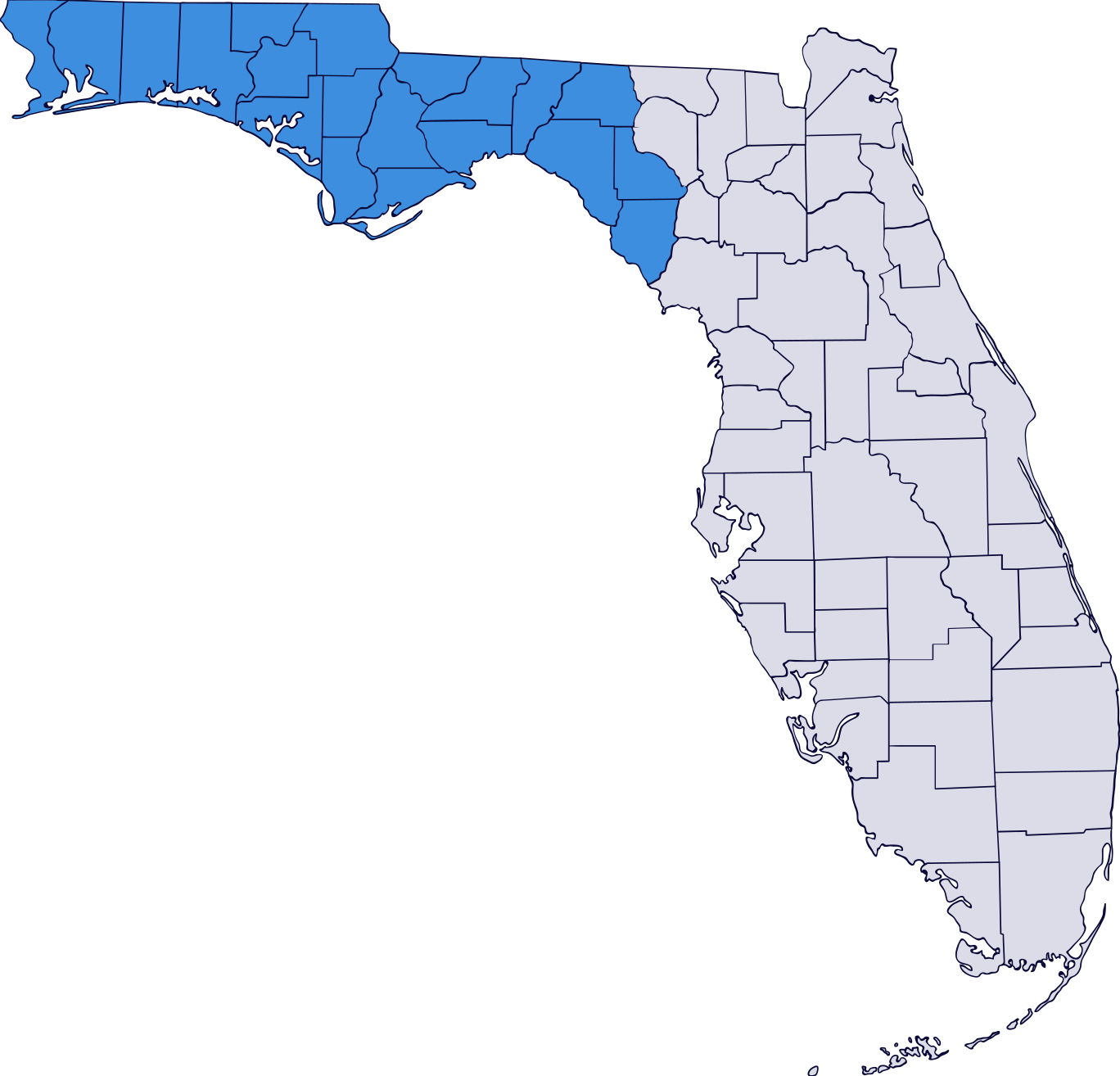
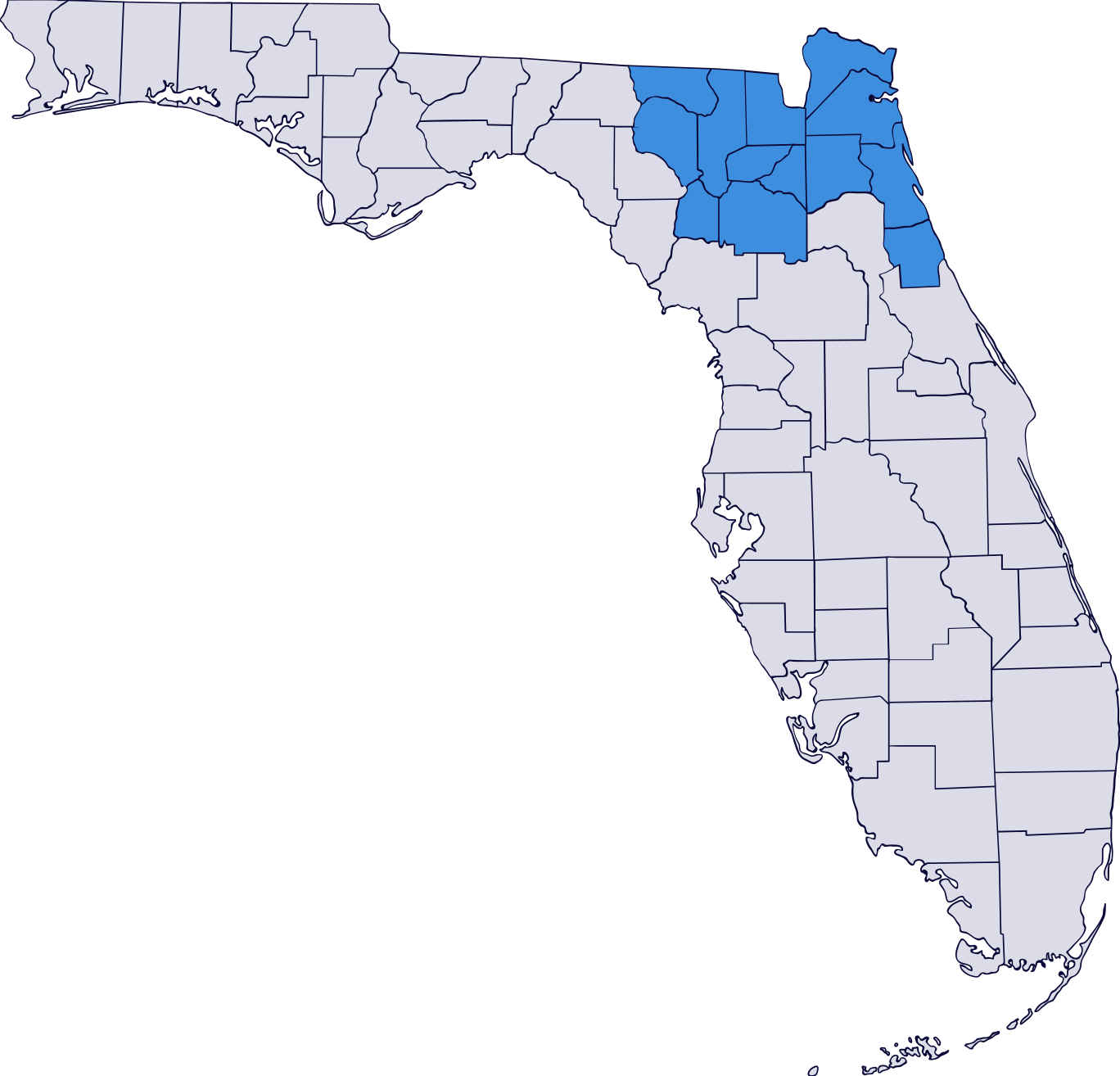
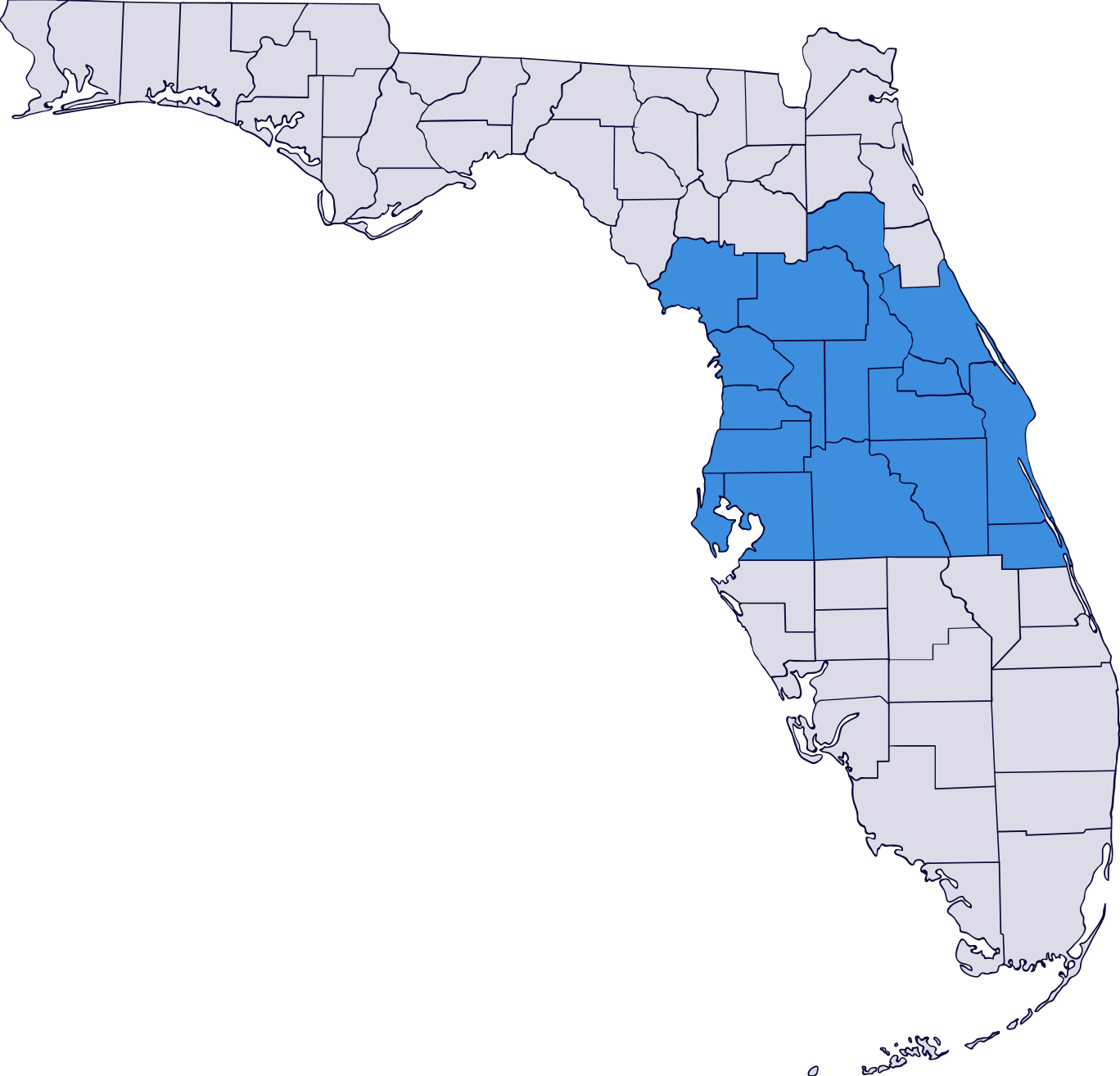
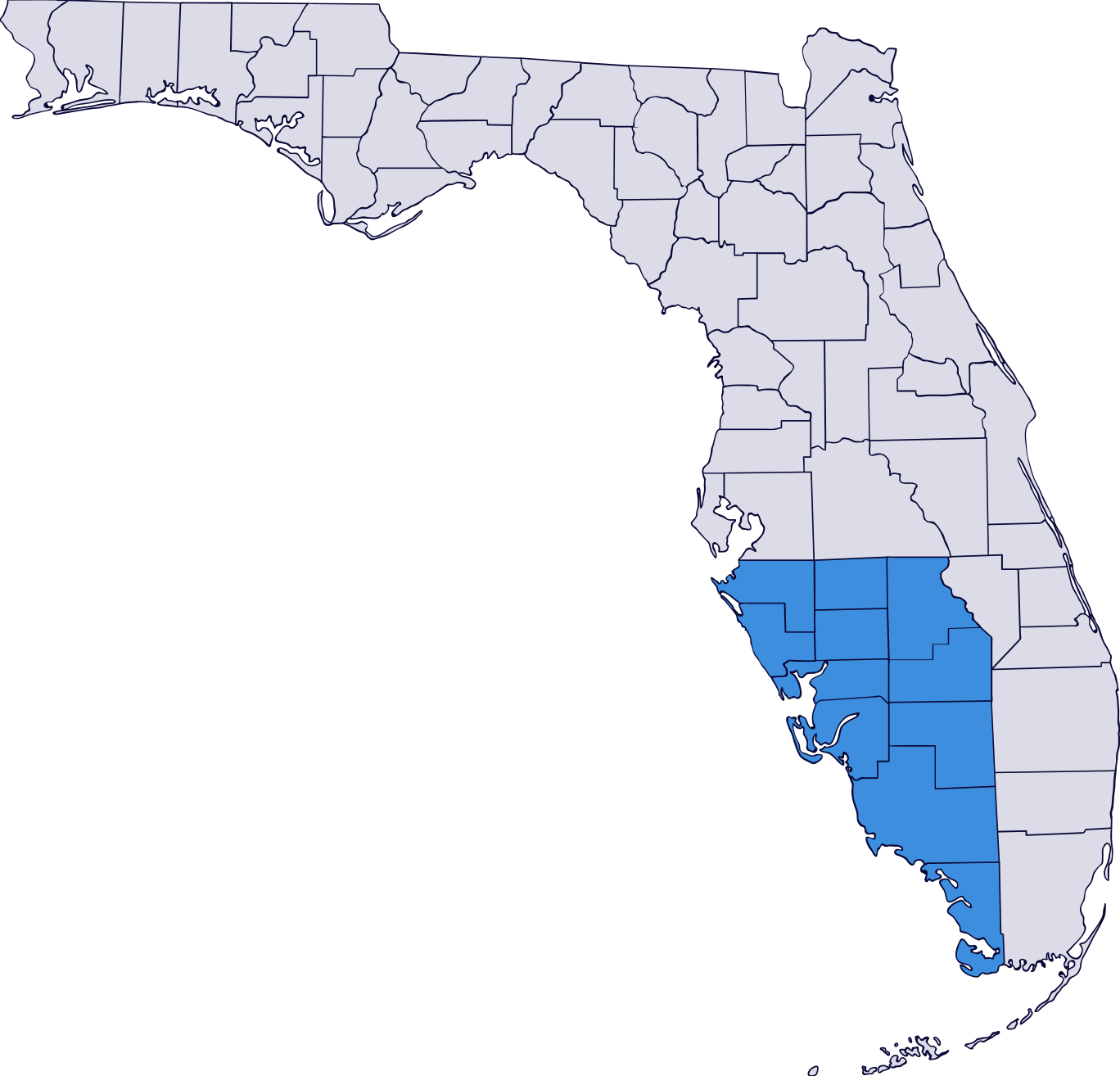
Gordon Fenderson and his team bring over 20 years of courtroom and negotiation experience to Lyft accident claims across Florida, from the Jacksonville and Orlando offices out to clients statewide. Consultations are free, and clients pay nothing unless the firm wins their case.
Frequently Asked Questions
How long do I have to file a Lyft accident claim in Florida?
For a negligence-based personal injury claim arising from a Florida Lyft accident occurring on or after March 24, 2023, the general statute of limitations is two years, subject to applicable exceptions and tolling rules.
Does the deadline change if I was a passenger instead of the other driver?
The applicable statute of limitations generally depends on the type of claim rather than whether you were a Lyft passenger, another driver, or a pedestrian. The insurance coverage and parties involved can differ substantially based on your role and the circumstances of the crash.
What if I didn't realize I was injured until weeks after the accident?
For a typical negligence claim arising from a motor vehicle crash, the limitations period generally runs from when the cause of action accrues rather than simply from when symptoms become noticeable. Delayed symptoms do not automatically extend the filing deadline.
Does filing a claim with Lyft's insurance count as filing a lawsuit?
No. Submitting a claim to an insurance company is a separate process from filing a lawsuit in court. Negotiating with an adjuster does not pause or extend the two-year statute of limitations, so victims can lose their right to sue while they're still waiting on an insurance response.
Can the deadline ever be extended?
Possibly, depending on the facts and the specific tolling or exception provision that applies. Florida law contains limited circumstances that can affect how a filing deadline is calculated. Because these rules are fact-specific, you should have an attorney review the claim rather than assume the deadline has been extended.
Don't Let the Clock Run Out on Your Lyft Accident Claim
The two-year window on a Florida Lyft accident claim moves faster than most victims expect, especially while they're still recovering and still waiting to hear back from an insurance adjuster. Once the applicable limitations period expires, pursuing the claim in court can become significantly more difficult or may be barred, depending on the circumstances.
If you were hurt in a Lyft accident anywhere in Florida, talk to a Florida Lyft accident lawyer at Fenderson Law Firm before more time passes.
Call (866) 990-4529 for a free, no-obligation case review, or contact Fenderson Law Firm online today.